NFIP vs. Private Flood Insurance: How Texas Homeowners Should Compare Their Options
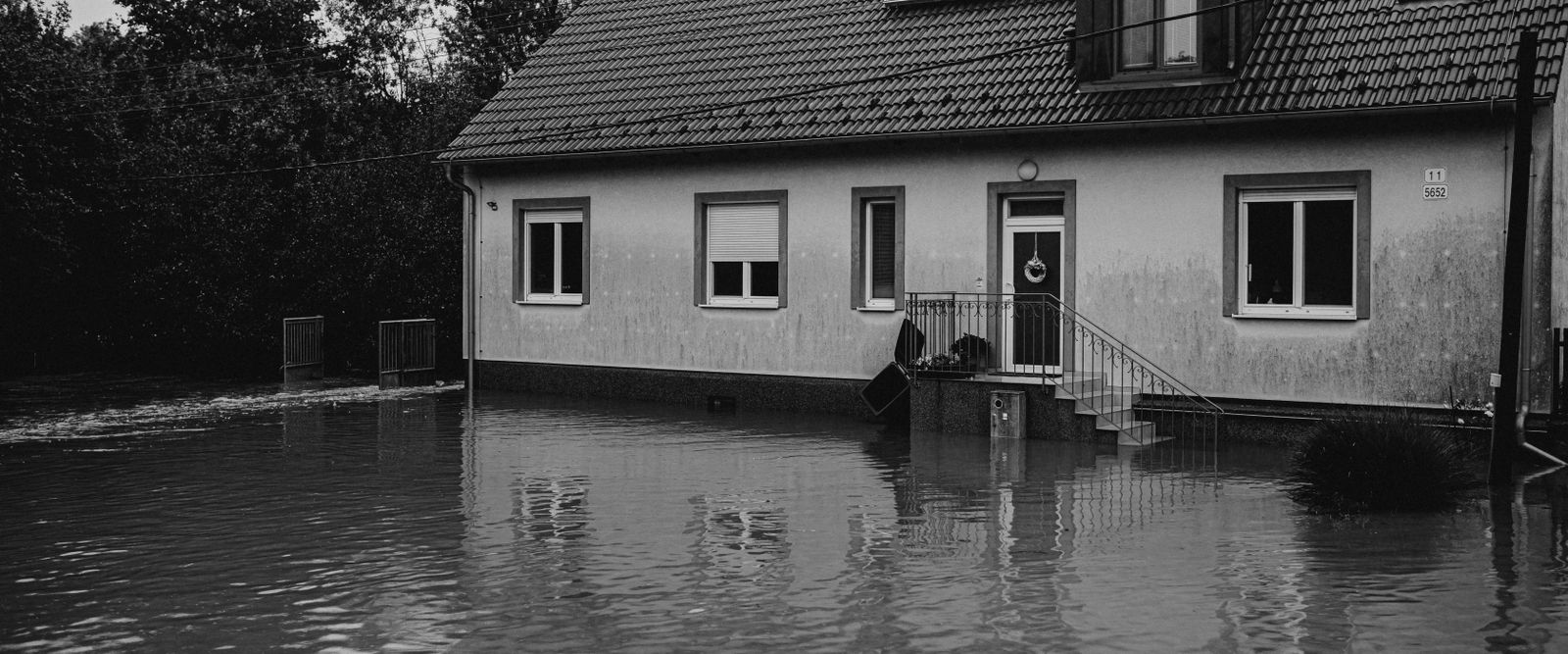
Every standard homeowners and condo policy excludes flood. That surprises a lot of Texas homeowners, usually at the worst possible time. If you want protection from rising water, you need a separate flood policy, and today you have more than one way to buy it.
Why flood deserves its own conversation
Flood is one of the most common and expensive types of property damage in Texas, and it doesn't only happen on the coast. Heavy rain, overwhelmed drainage systems, and rising creeks flood homes in neighborhoods that have never been labeled high-risk.
FEMA reports that more than 20% of National Flood Insurance Program claims come from properties outside high-risk flood zones. Your flood zone affects your premium and whether your mortgage lender requires coverage. It doesn't tell you whether your home can flood.
Option 1: The National Flood Insurance Program (NFIP)
The NFIP is the federal flood program managed by FEMA. Policies are sold through private insurance agencies like ours, but the coverage terms and limits are set by the federal government. For residential properties, the NFIP offers:
- Up to $250,000 of building coverage for the structure
- Up to $100,000 of contents coverage for your belongings, purchased separately
- Increased Cost of Compliance coverage to help pay for elevating or flood-proofing a substantially damaged home to meet current building codes
- Availability in any community that participates in the program, regardless of flood zone
The NFIP has real limitations. Contents are paid at actual cash value, meaning depreciation is subtracted. Additional living expenses aren't covered if you have to move out during repairs. Coverage for basements and finished below-grade spaces is limited. And most new policies don't take effect until 30 days after purchase.
NFIP policies generally take effect 30 days after purchase, with limited exceptions such as a policy bought in connection with a new mortgage. Once heavy rain is in the forecast, it's usually too late to buy coverage for that storm.
Option 2: Private flood insurance
A growing number of private carriers now write residential flood coverage. Private policies vary widely, but compared to the NFIP they often offer:
- Higher building limits, which matters for homes that would cost more than $250,000 to rebuild
- Replacement cost coverage on contents instead of actual cash value
- Additional living expense coverage while your home is being repaired
- Shorter waiting periods, sometimes as short as 10 to 15 days
- Pricing that can be lower than the NFIP for some properties, especially those outside high-risk zones
The tradeoff is that private flood is underwritten by each carrier. A carrier can decline a property, change its appetite for a region, or choose not to renew. The NFIP, by contrast, is available to anyone in a participating community.
Option 3: Combine them
For higher-value homes, the best answer is often both: an NFIP policy as the base layer, with an excess flood policy from a private carrier sitting on top for the value above $250,000. This combination keeps the stability of the federal program while closing the limit gap.
Questions to ask before you buy
- What would it cost to rebuild my home today, and does my building limit cover it?
- Am I buying contents coverage, or building coverage only?
- Are contents paid at replacement cost or actual cash value?
- Would I need help with living expenses if I had to move out for several months?
- When does the policy take effect?
- If I switch from the NFIP to a private policy, what happens if I ever want to go back?
That last question matters. Some homeowners who left the NFIP for a private policy have discovered that the move affected their pricing when they returned. It's a detail worth discussing with an advisor before you switch.
The bottom line
Flood insurance is one of the most affordable ways to protect against one of the most expensive losses a homeowner can face, especially if your home is outside a high-risk zone. The right policy depends on your home's value, your location, and what you'd need to recover. The only wrong answer is assuming you're already covered.
Not sure what flood coverage you need?
We'll compare NFIP and private flood options for your property side by side and explain the differences in plain language.
Get a Flood QuoteThis article is for general educational purposes only and does not constitute insurance advice. NFIP coverage limits, waiting periods, and program rules are set by FEMA and are subject to change. Private flood availability and terms vary by carrier. Actual policy language governs all claims.